I consent
Norway Uranium
Three areas of high-grade uranium mineralisation in Norway
Aurum Discovery holds a portfolio of three uranium projects in Norway - Tysfjord, Orrefjell and Biggejav’ri. The latter two areas were discovered by the Norwegian Geological Survey (NGU) during the last phase of state-sponsored uranium exploration in the early 1980s, whilst the Tysfjord project represents a new discovery which has never been systematically explored in the modern era.
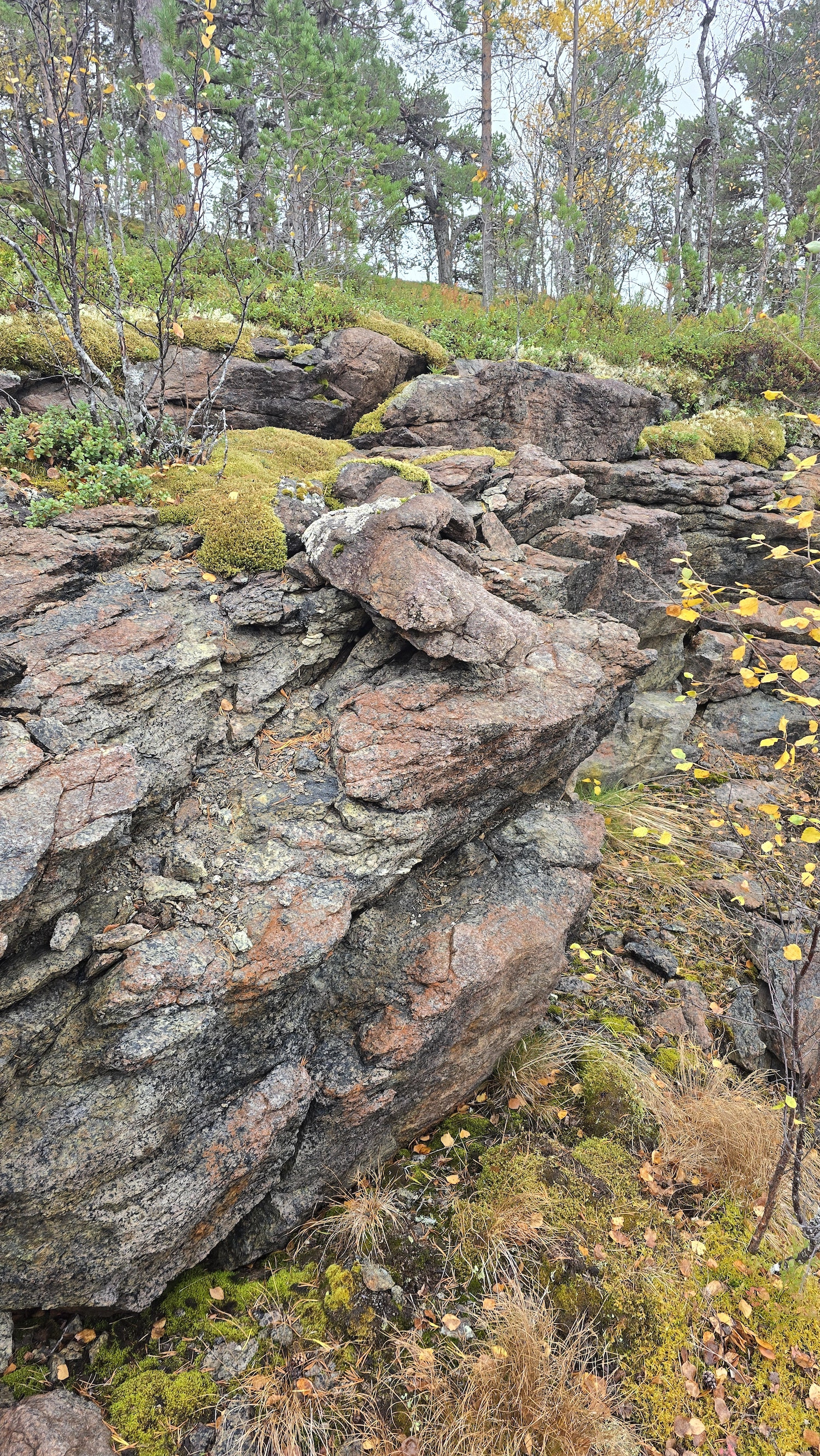
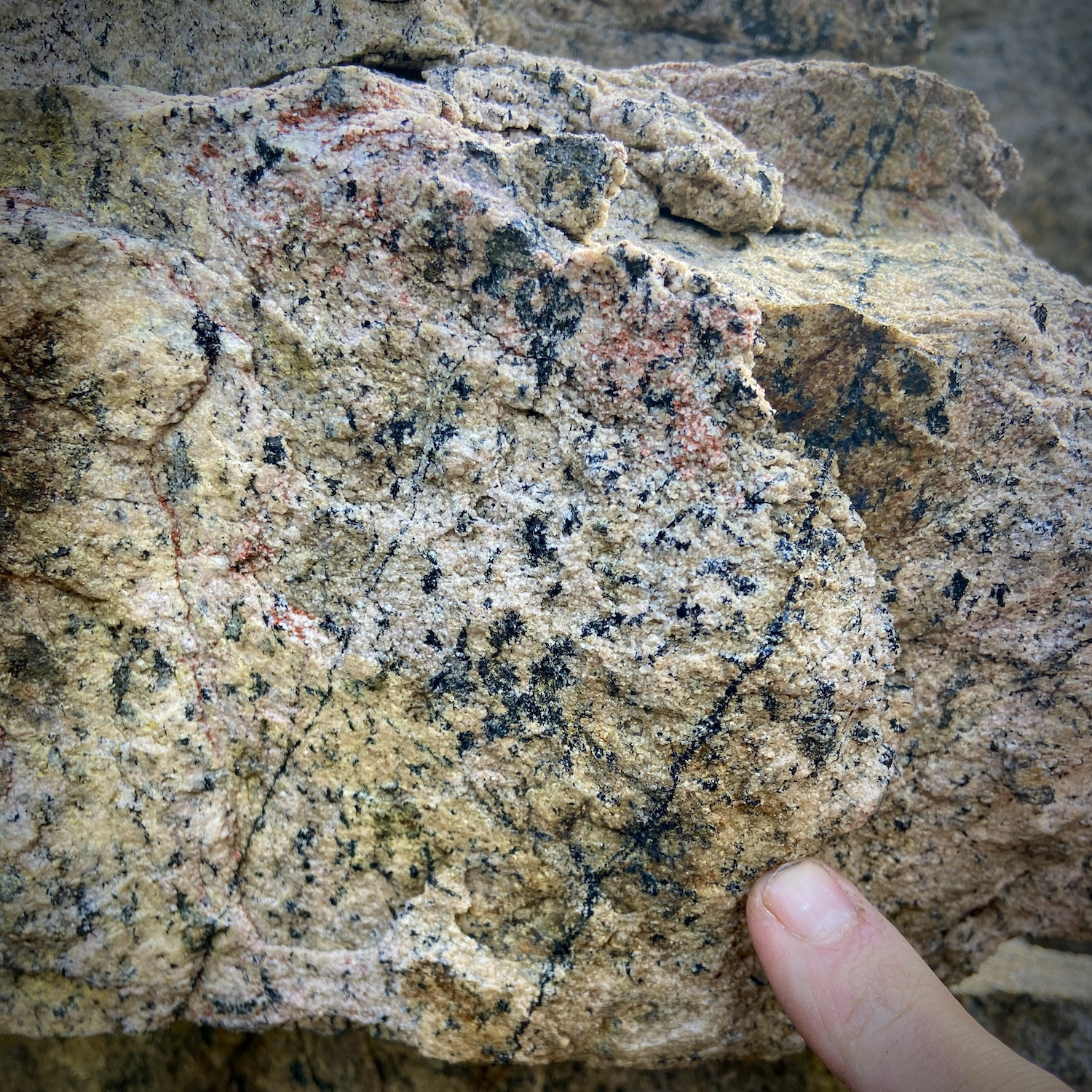
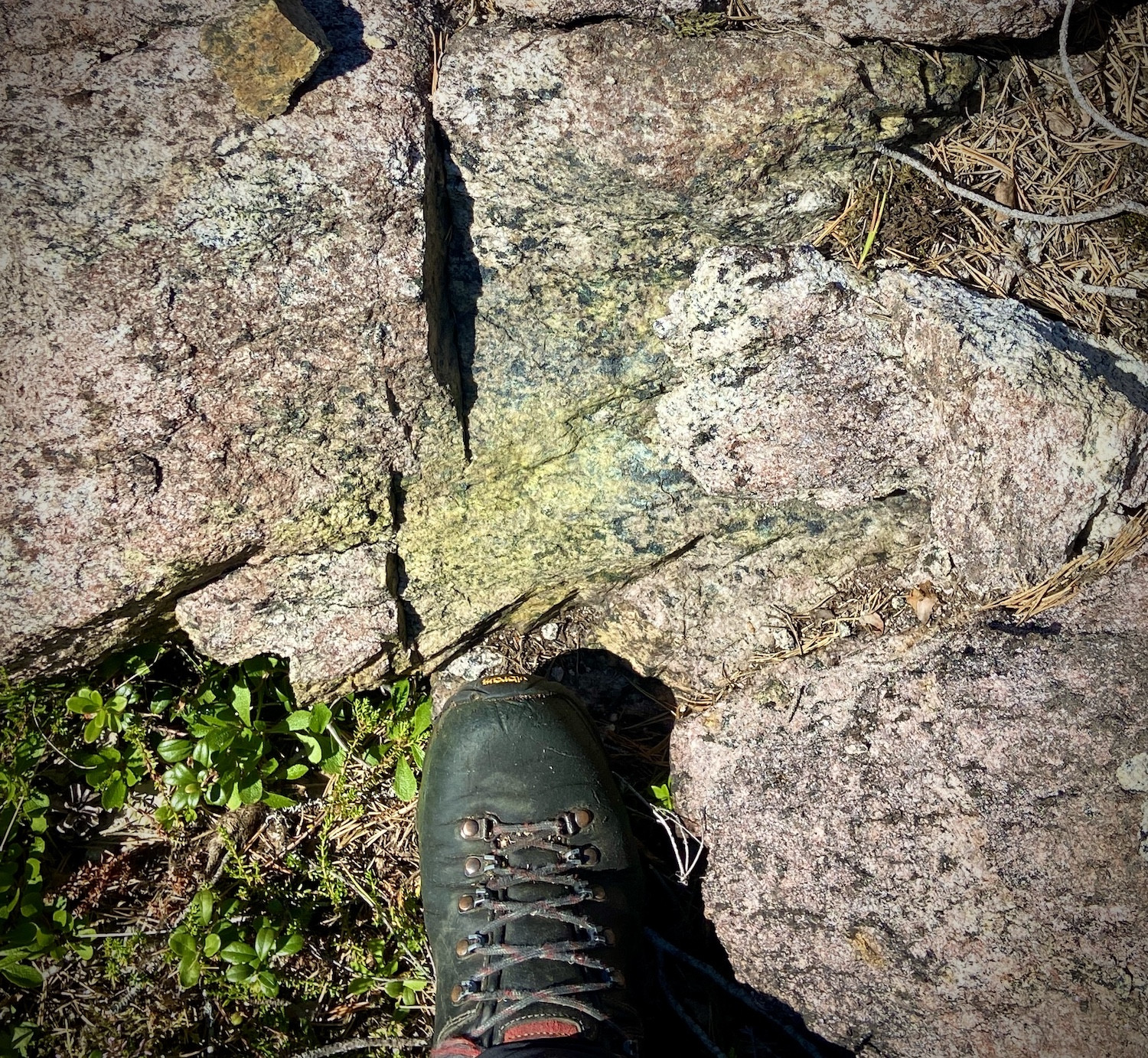
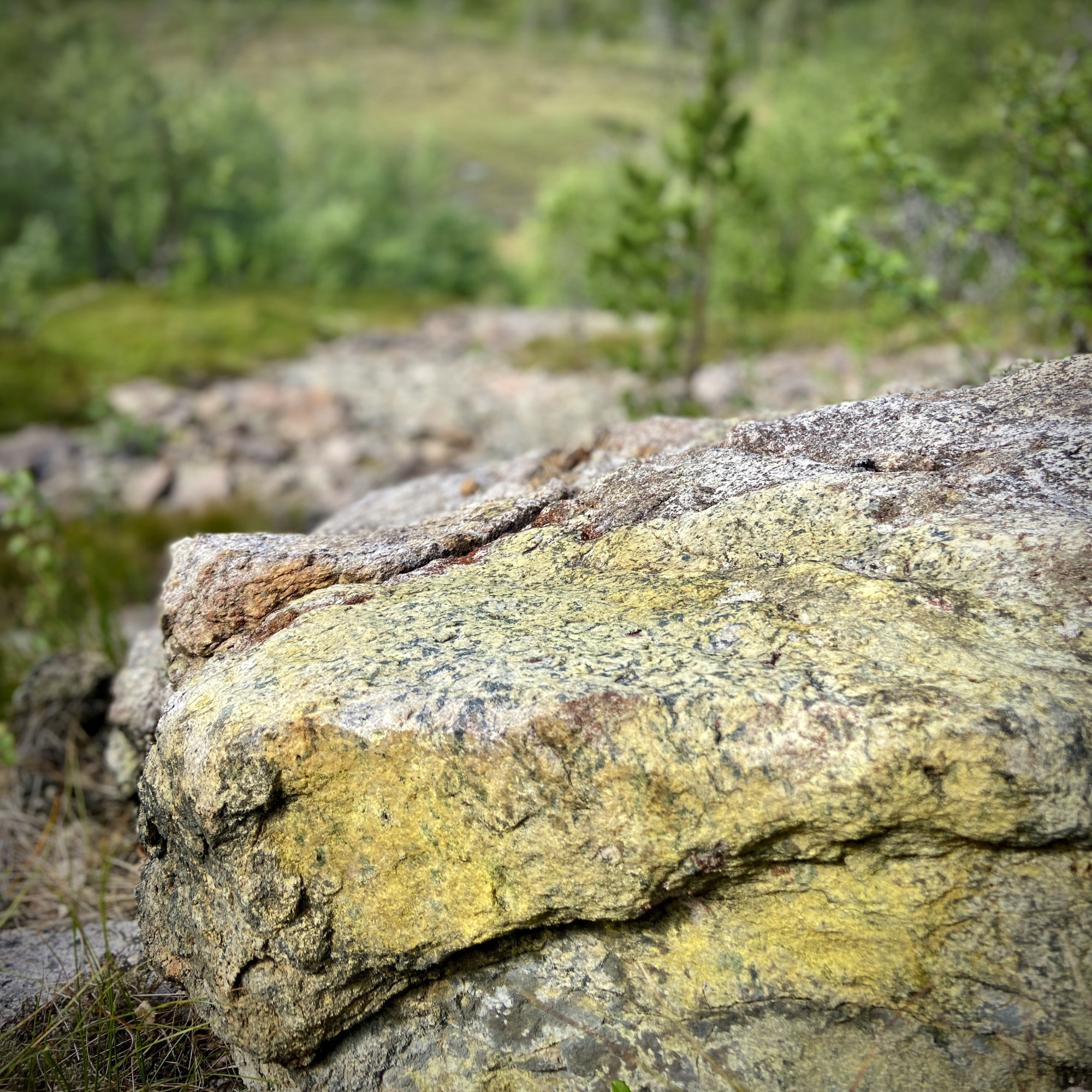
The 2024 discovery of high-grade uranium in the 1.8Ga granitic gneiss of the TransScandinavian Igneous Belt (TIB) underlying the Tysfjord region reinforced Aurum Discovery’s exploration concept that the uranium district of Arvidsjaure-Arjeplog extends from Sweden into rocks of similar age and genetic affinity in the north of Norway.
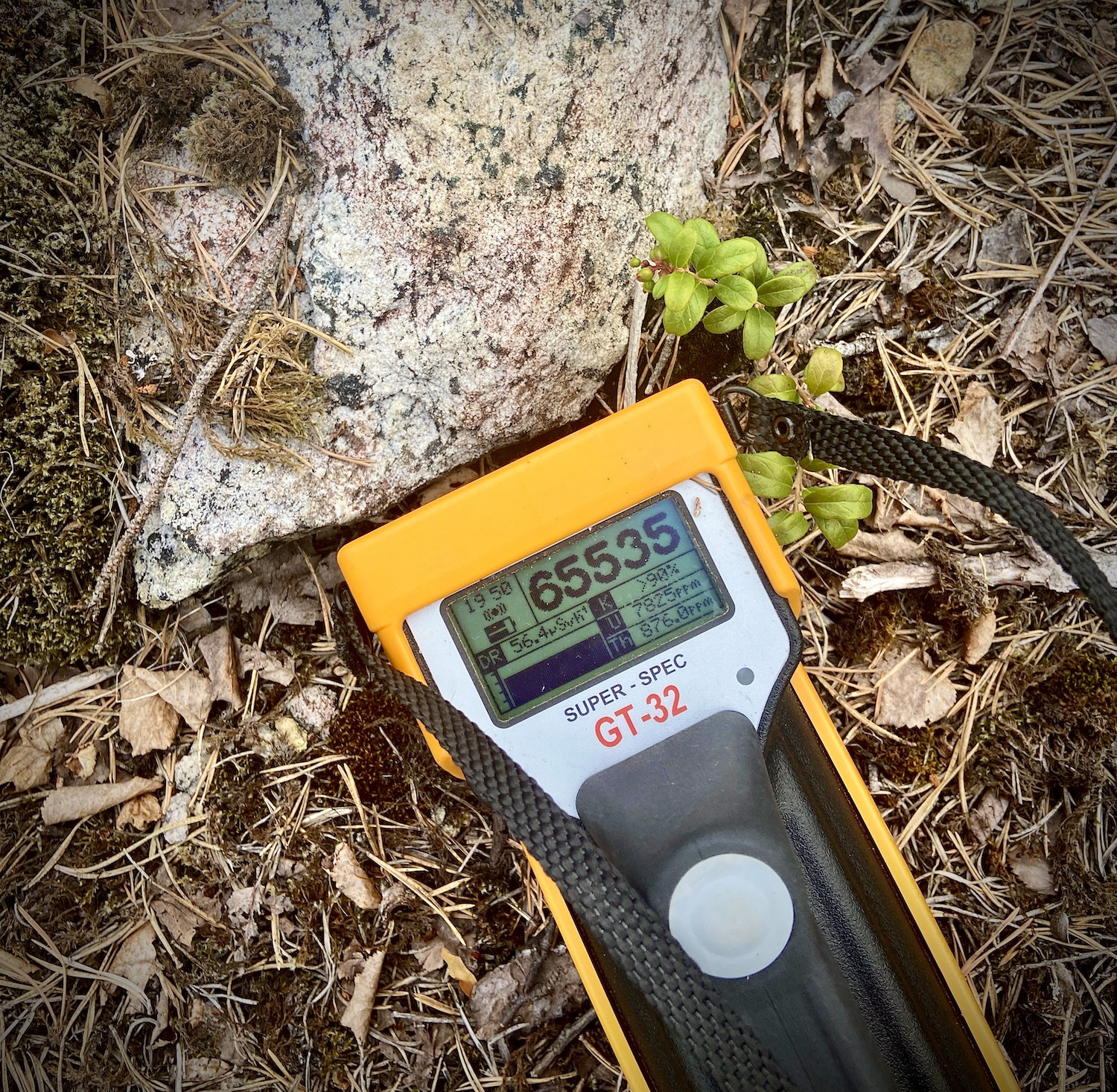
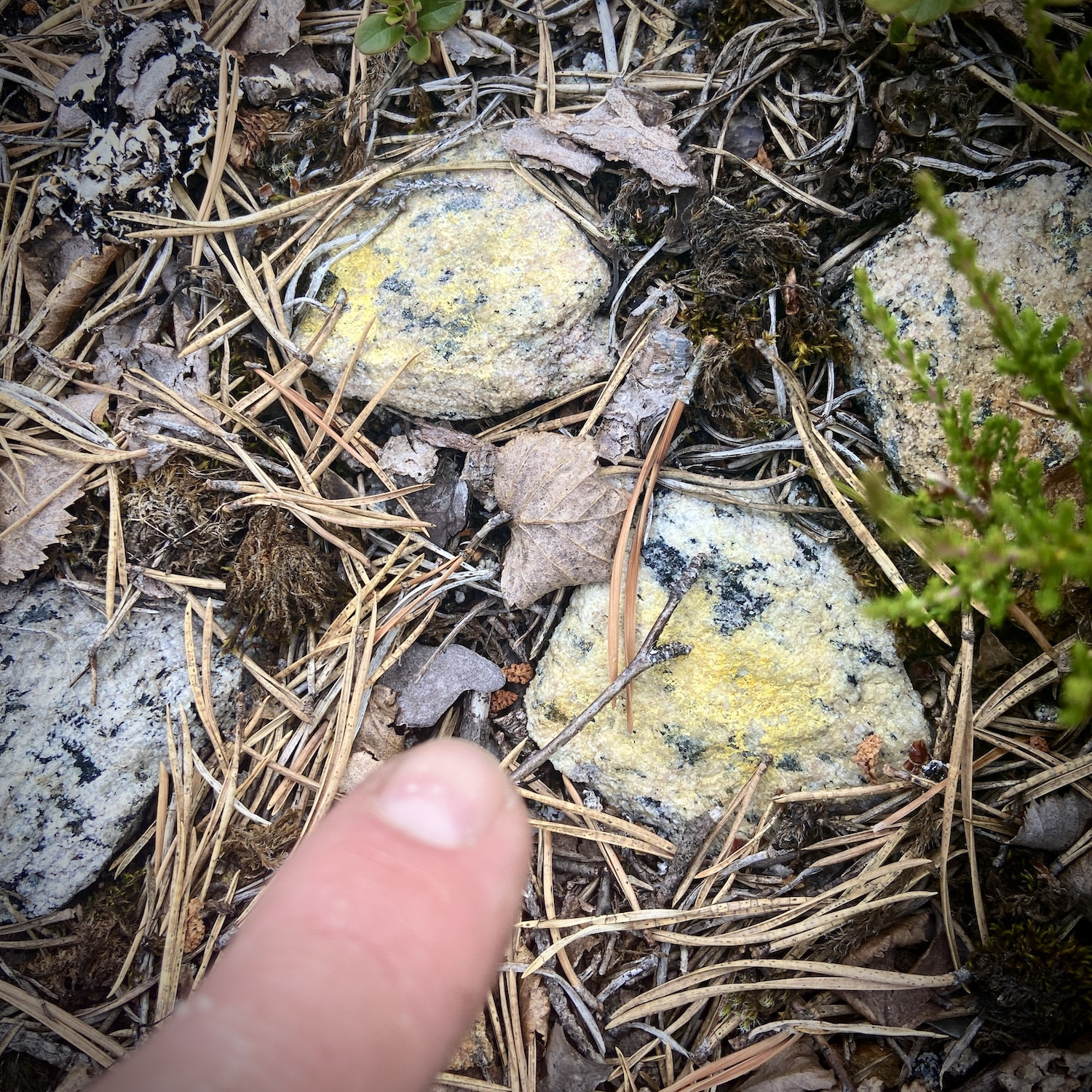
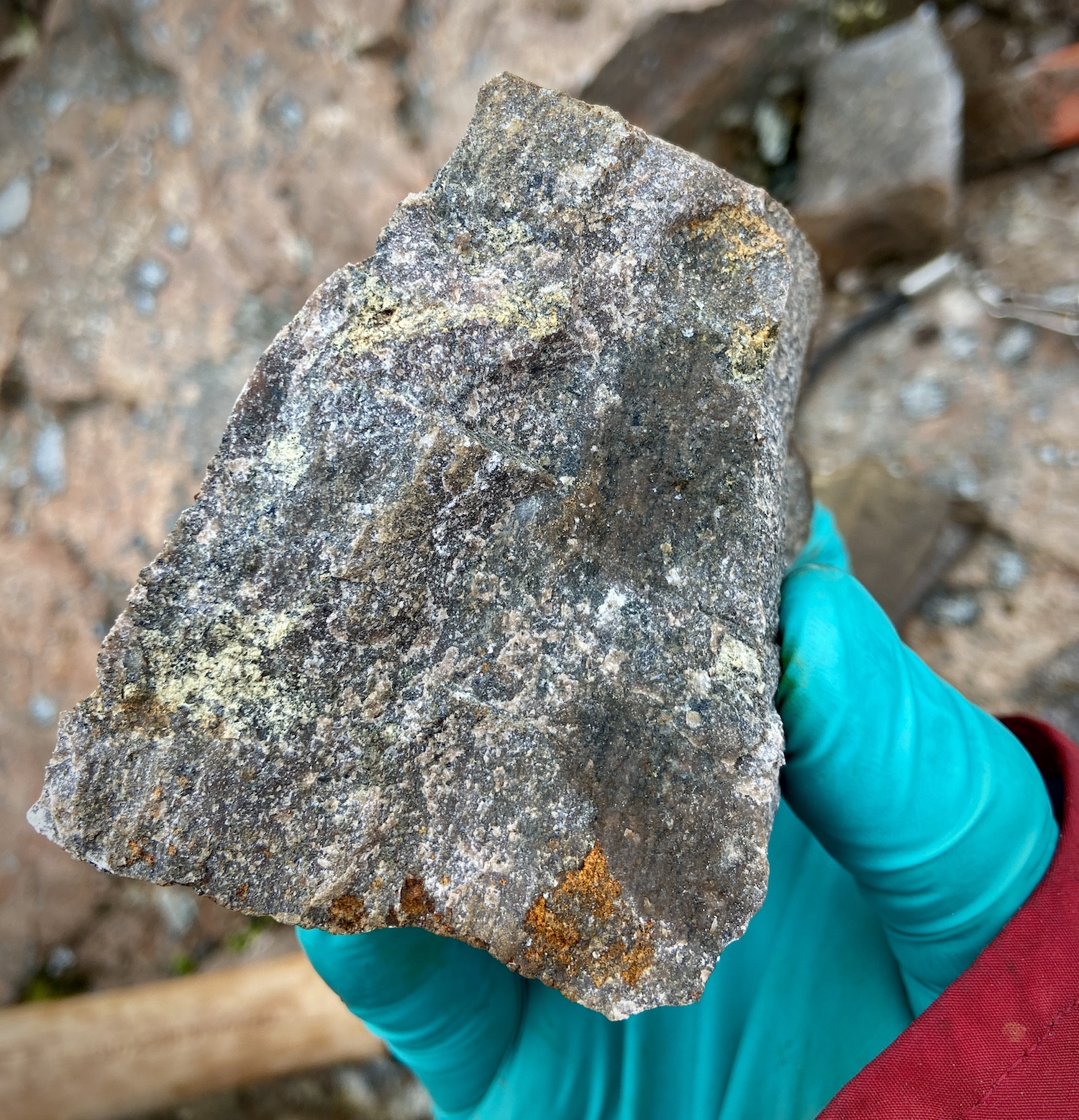
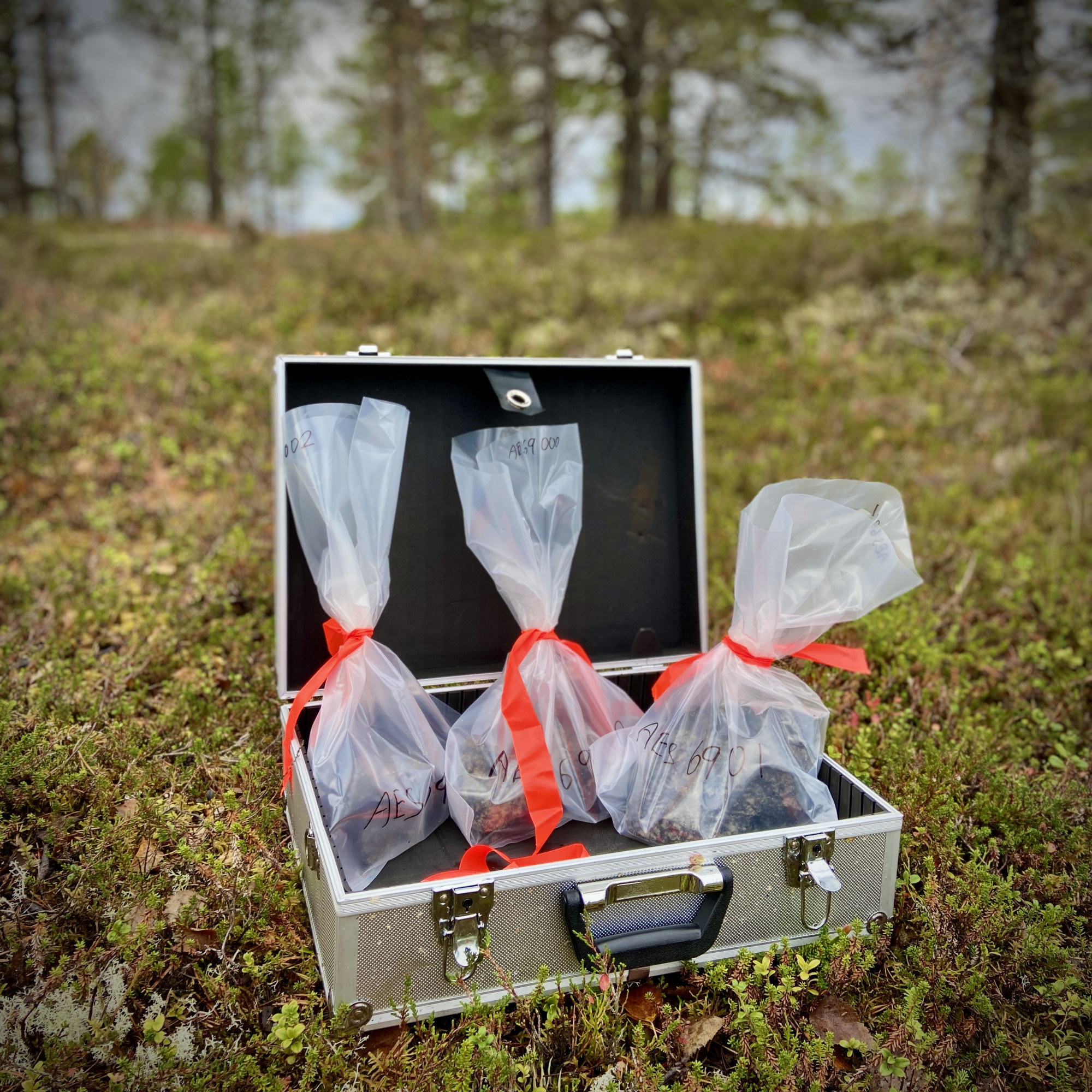
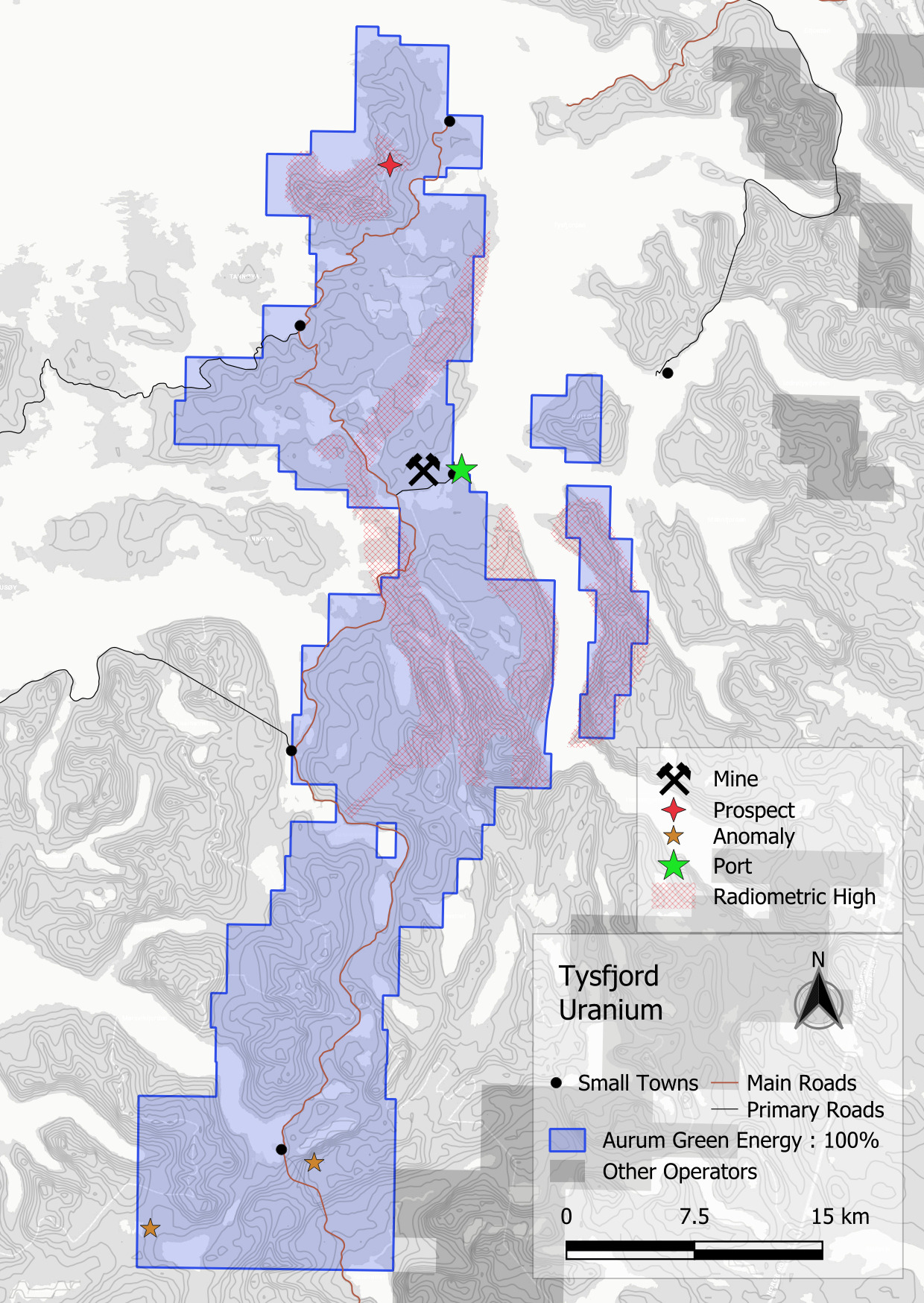
The company now holds a regional ground position exceeding 800km2 over all known radiometric anomalies within the same geological setting, and sampling has returned grades of up to 4.52% U3O8, with the average sample assay exceeding 9,000ppm U3O8. These results represent some of the highest-grade uranium samples ever taken in Norway, and Aurum Discovery is currently engaged in a thorough assessment of the potential of the region to host a new uranium district in northern Scandinavia.
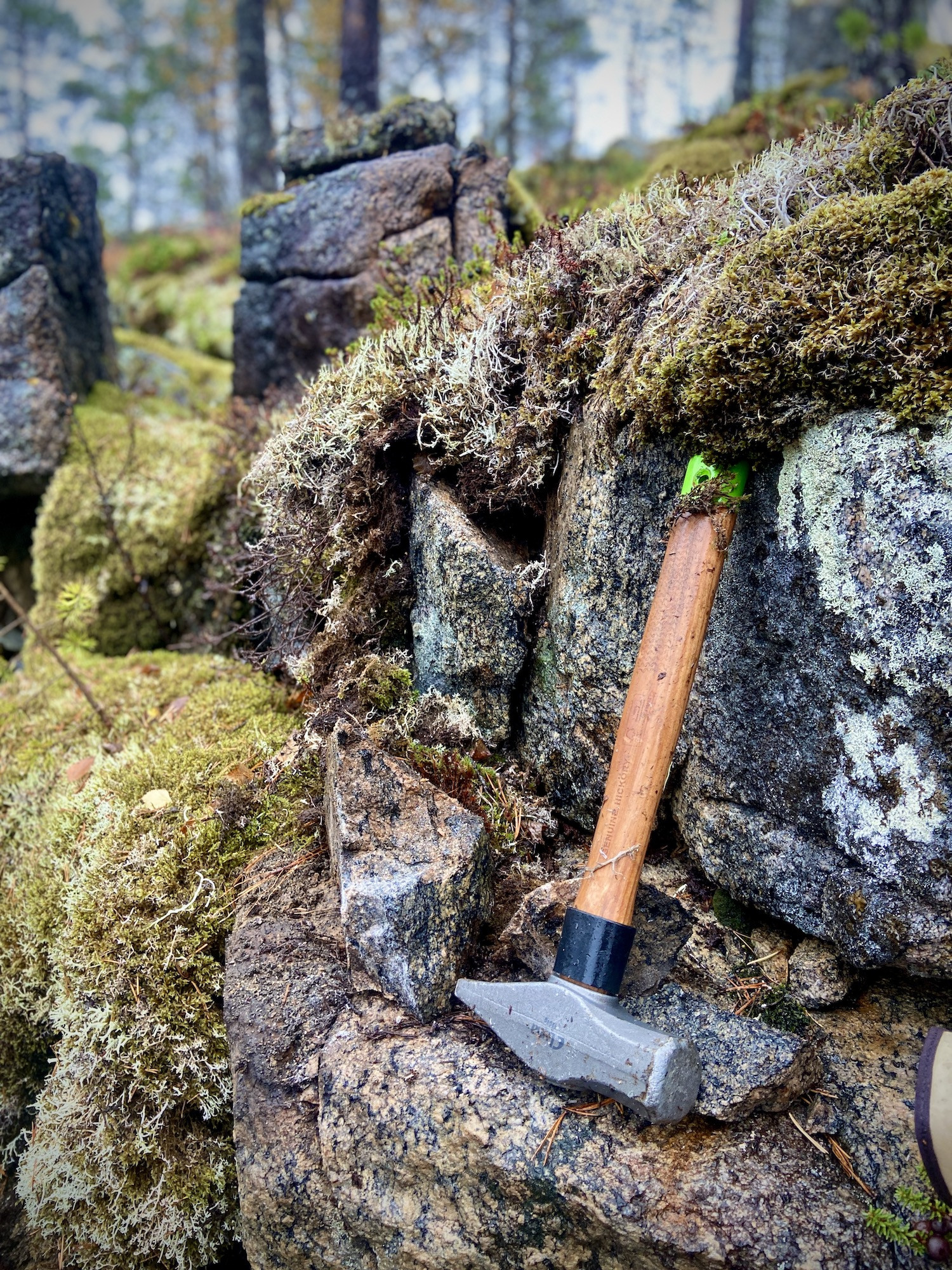
Aurum also holds 52km2 of tenure over the Orrefjell pegmatite, one of the most significant U-occurrences in Norway. The pegmatite intrudes granitic gneiss in the Precambrian basement window, striking for more than 2km. Mineralised widths range from 1-20m, dominated by coarse uraninite, dated at ~1.8Ga. Aurum Discovery sampling has returned grades of up to 4,504ppm U3O8.
Drilling was undertaken by the NGU in the 1980s to a maximum depth of 50m; the mineralisation is open at depth. Aurum Discovery’s tenure covers numerous other radiometric anomalies in the basement window where NGU sampling has returned up to 1,379ppm uranium in other pegmatitic rocks.
The Biggejav’ri uranium project consists of 120km2 of tenure in Finnmark. Drilling in the 1980s around a field of radioactive boulders identified a U-REE mineralised albitite, interpreted as having intruded along a lithological contact: the most significant intersection reported was 21m @ 1010ppm U3O8.
Outcrop is scarce, but the presence of other radioactive boulders above the contact zone suggest the tonnage potential could be significant. U-mineralisation is dominated by Davidite-Loveringite.
Aurum Discovery plans to execute an extensive exploration program at all three of its Norwegian uranium project areas, commencing in Q2 2026.
Tysfjord
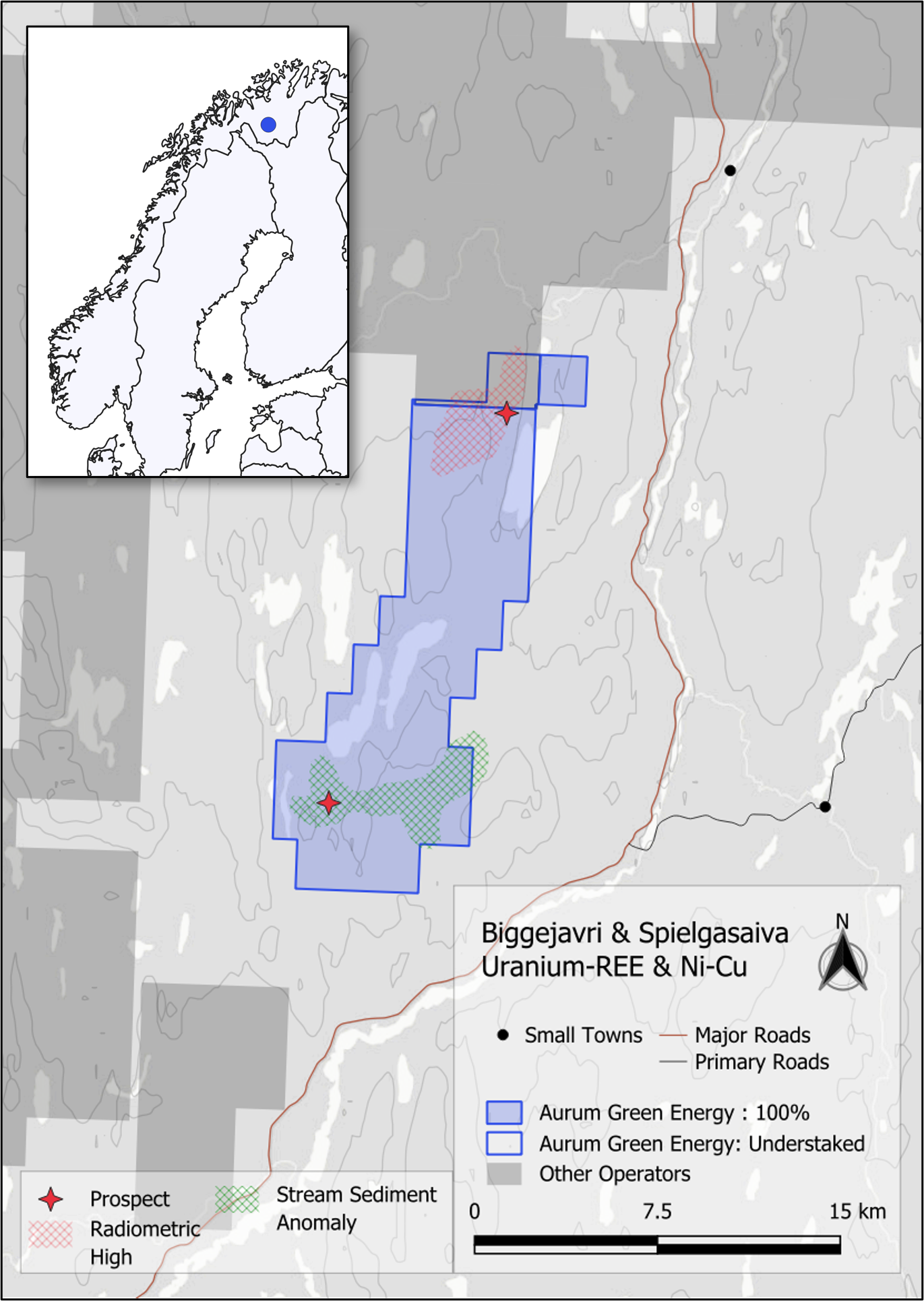
Biggi Map
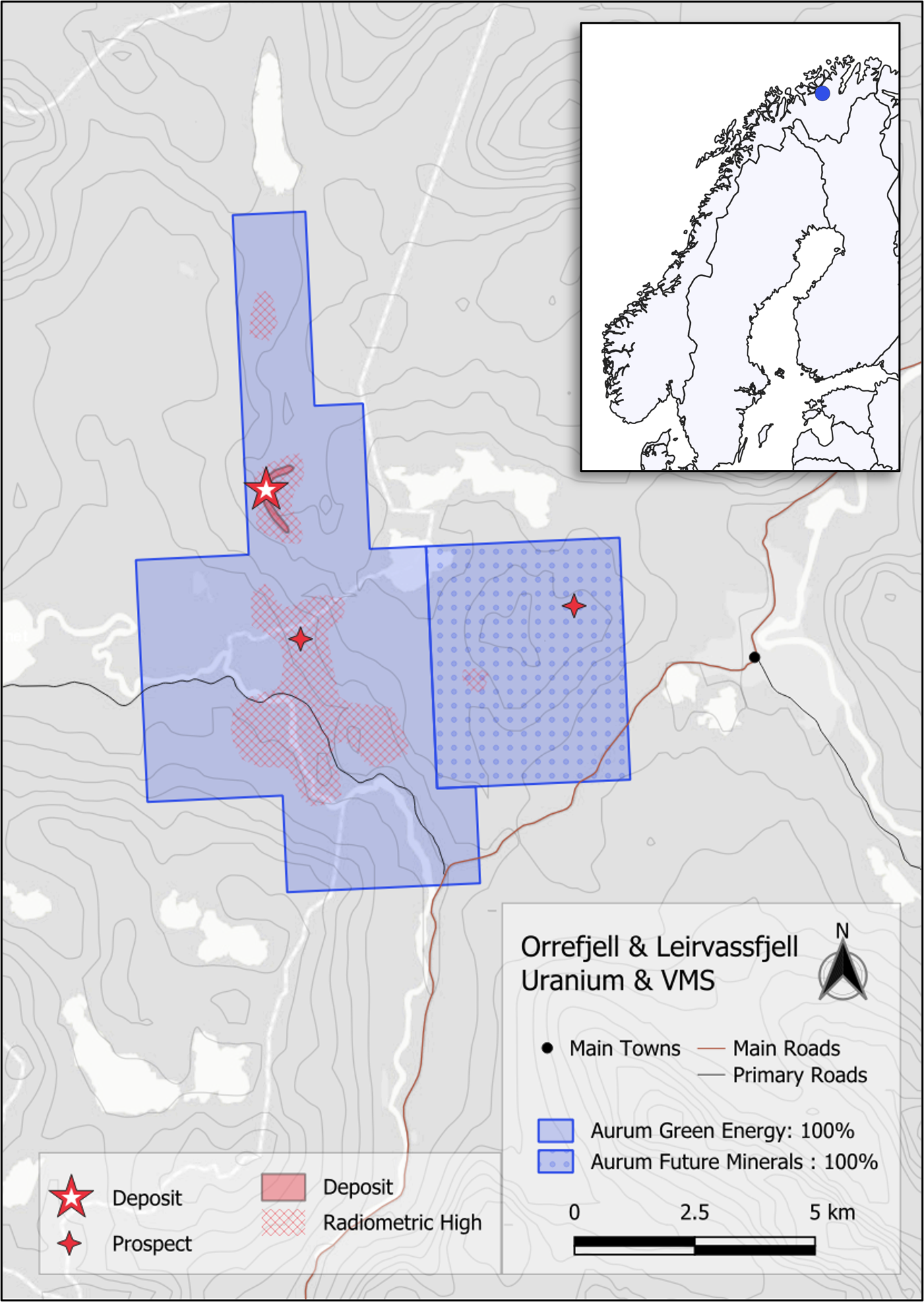
Orrefjell Map